Mountain cabin specialists · Southern Utah
A signature of the village
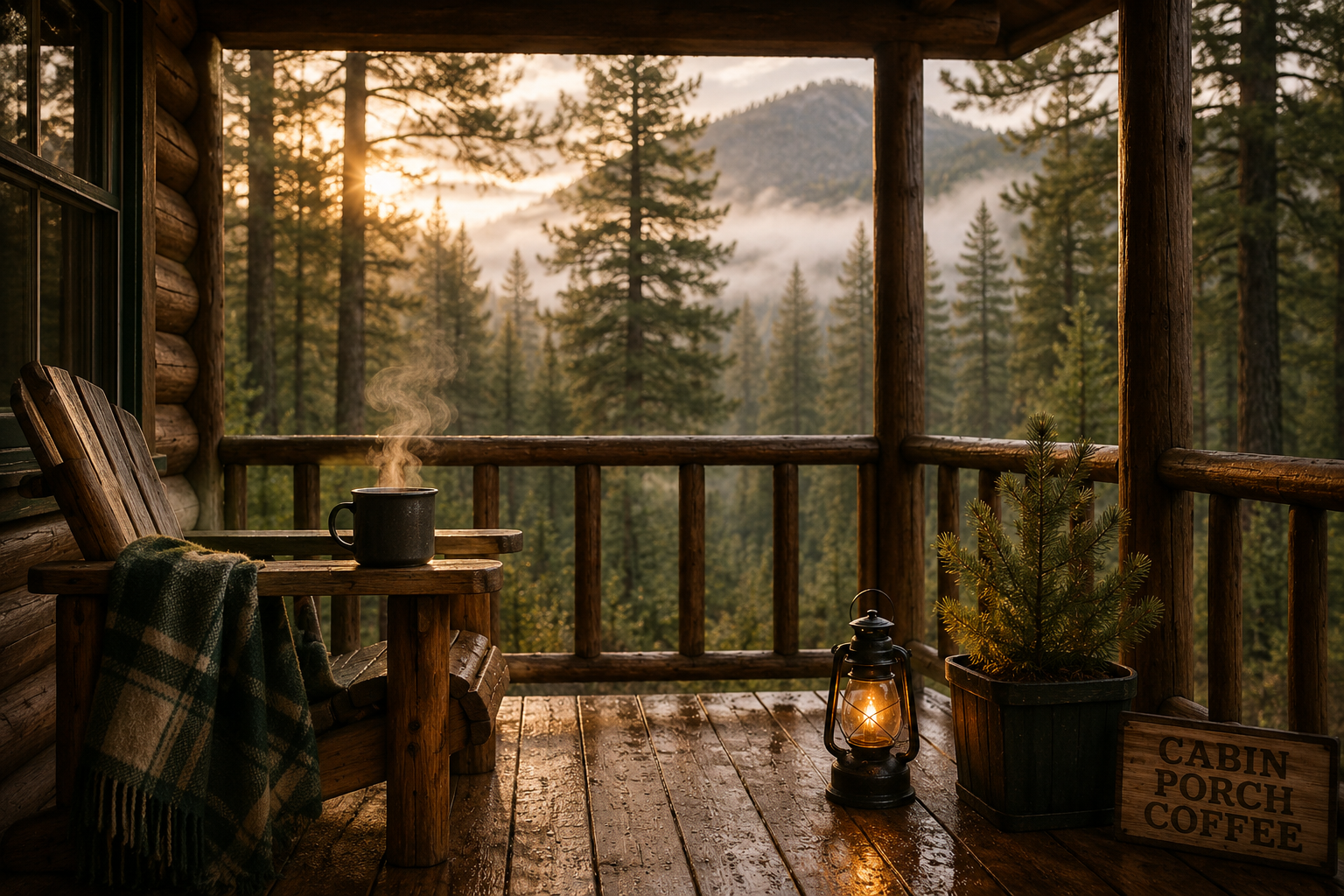
The old timber arch over the road into Duck Creek is the kind of detail people remember years later — the lantern light at dusk, the smell of pine sap warming up after a long drive, the quiet that takes over the second the engine cuts.
Whatever you're here for — to find a cabin or to let one go — start with someone who already knows the road in.
Weekend escapes, snowy mornings, ATVs in the driveway, grandkids on the deck. The reasons people buy cabins in Duck Creek are quiet ones — and they're rarely about the spreadsheet.
That said, the spreadsheet matters too. Year-round access, water source, road plowing, HOA covenants, distance to Brian Head and Cedar City — these are the details that separate a good Duck Creek cabin from a great one. A short conversation usually clears most of it up.
Selling a Duck Creek cabin is part real estate, part transition. The right approach respects both.
Pricing it correctly the first time, photographing it in the right season, knowing which buyer pool to lean into, and timing the market — these decisions move the needle more than any glossy listing template ever will. Selling well in Duck Creek is a local craft, and it's worth a phone call before you list anywhere.
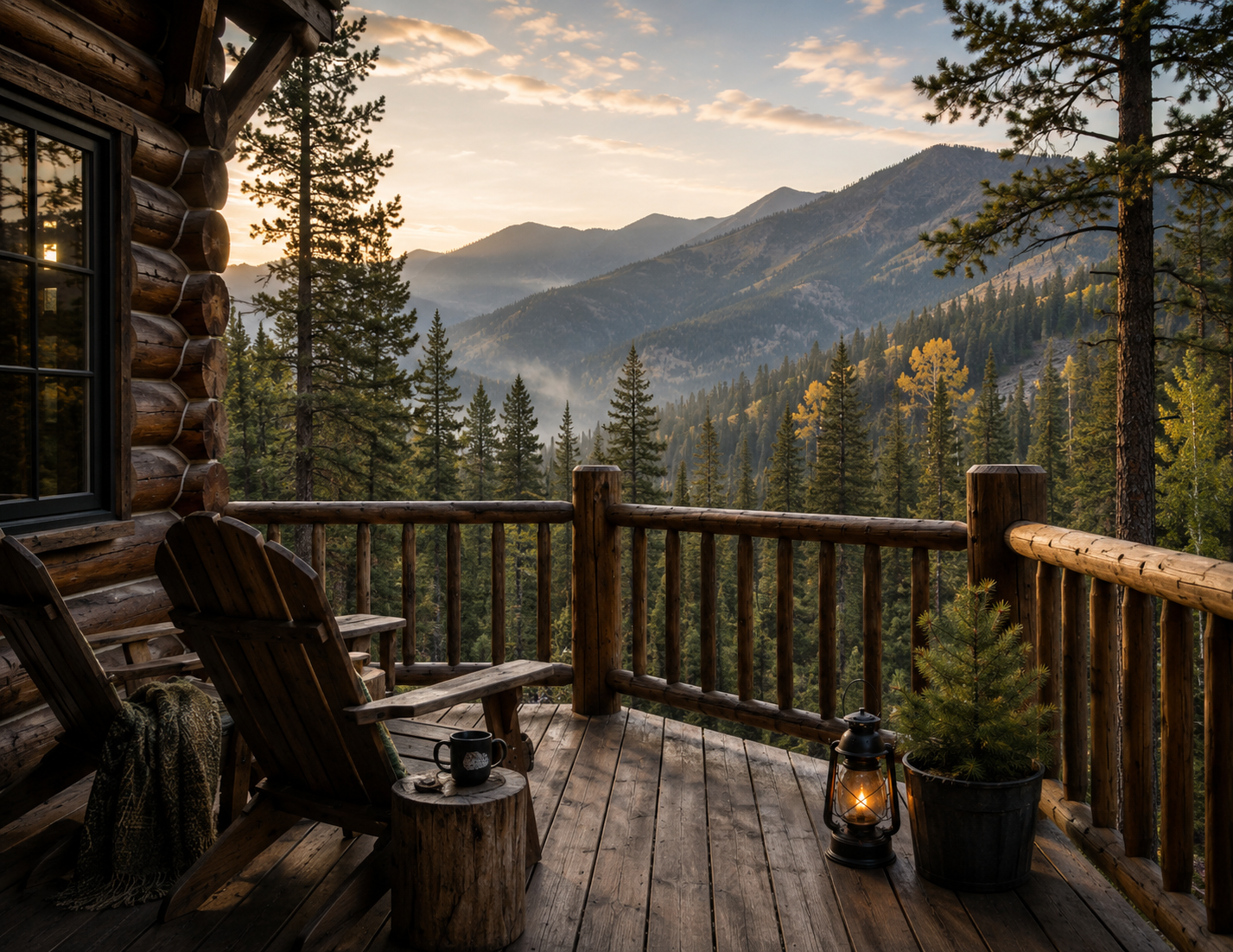
Duck Creek Village sits at 8,400 feet, surrounded by pine and aspen, twenty minutes from Brian Head, an hour from the gates of Zion, and a long unhurried morning drive from Bryce Canyon. It is the rare mountain town that's still mostly cabins.
Cabins in Duck Creek have historically held value well. Inventory inside the village is limited, demand is steady year-round, and the area benefits from being close to Brian Head, Zion, and Bryce Canyon. The honest answer for any specific cabin depends on neighborhood, road access, and what comparable sales have done over the last few seasons — that's the kind of thing a local agent can walk through in a few minutes on the phone.
Prices vary widely depending on lot size, year-round access, water source, age, and proximity to Duck Creek Village. Smaller seasonal cabins on shared wells tend to sit in the lower range, while larger luxury cabins on improved, plowed roads sell for considerably more. Because the market shifts season to season, a current phone read is more useful than a stale average.
Yes — it's one of the more popular cabin-vacation destinations in Southern Utah. The cool summer climate, accessible ATV and snowmobile trails, and proximity to multiple national parks make it a strong choice for families looking for a mountain retreat that gets used in every season.
Many are, but not all roads are plowed in winter. Some cabins are accessed by snowmobile from December through March, and others are on county-plowed roads that stay open year-round. Knowing the access situation for a specific lot or neighborhood is one of the most important things to confirm before buying.
Three things matter most: winter access (plowed road versus snowmobile-only), water source (well, shared well, or hauled), and HOA or community covenants. Each Duck Creek subdivision is a little different, and matching a cabin to your usage pattern saves a lot of friction down the road.
A well-prepared, fairly priced cabin generally moves within a normal market window. Pricing, photography, and the timing of the listing relative to the season all matter. A short local conversation will give you a realistic plan for your specific cabin rather than a generic estimate from an out-of-area website.
Movie Ranch, Aspen Cove, Swains Creek, Strawberry Point, and the cabins along Cedar Mountain each have their own personality — some are closer to the village, some quieter and more remote, some better suited to year-round use. The easiest way to narrow the list is usually a quick conversation about what kind of mornings you want.
Whether you're searching for a quiet mountain retreat, looking for the right family cabin, or preparing to sell a place full of memories — having the right local connection makes the whole process feel a great deal more personal, and a great deal less complicated.
Cabins in Duck Creek is operated by Shauna Mack, a licensed Utah real estate agent with direct experience in the Duck Creek Village cabin market. Shauna's focus is on the mountain communities of Southern Utah — Duck Creek, Cedar Mountain, Strawberry Point, and the areas surrounding Brian Head.
The goal is simple: give buyers and sellers one honest, local contact who can answer real questions about road access, water, pricing, and neighborhood character — without the noise of a large brokerage or an out-of-area algorithm.
Duck Creek Village is an unincorporated mountain community in Kane County, Utah, sitting at 8,400 feet on the Dixie National Forest boundary. Winter road conditions are monitored via UDOT Traffic. The area sits within easy reach of Cedar Breaks National Monument and Brian Head Resort.

Prices range from the low $200s for small, seasonal cabins to over $700,000 for larger year-round properties on improved roads. The biggest price drivers are winter road access, water source, lot size, and proximity to Duck Creek Village itself. A local agent can give you a current, honest read in under five minutes on the phone.
Duck Creek Village is approximately 170 miles northeast of Las Vegas — roughly a 2.5 to 3 hour drive depending on traffic and road conditions. The route follows I-15 north to Cedar City, then Highway 14 east up the mountain. It's a popular drive for Las Vegas cabin buyers looking for cool summer temperatures.
Duck Creek has historically held value well due to limited inventory, consistent year-round demand, and proximity to major Southern Utah destinations. That said, investment performance varies by neighborhood, road access, and cabin condition. A local agent can pull recent comparable sales to give you an honest current read.
Duck Creek Village is about 260 miles south of Salt Lake City — a 3.5 to 4 hour drive via I-15 south through Provo and Cedar City. Many Salt Lake–area families use it as a weekend cabin destination, which drives consistent buyer demand from the Wasatch Front.
Many Duck Creek cabin owners do rent short-term, and demand is strong in both summer and winter. However, some subdivisions have HOA covenants that restrict or regulate rentals, so it's essential to verify the rules for any specific property before buying with rental income in mind.
Duck Creek Village sits at approximately 8,400 feet elevation on the Markagunt Plateau in southern Utah. The elevation keeps summer temperatures cool — daytime highs typically stay in the 70s — and ensures reliable snow accumulation in winter, making it popular for both summer escapes and snowmobile-season getaways.
Late fall and early spring tend to see less buyer competition, which can create more negotiating room. Summer is the highest-traffic season for both buyers and sellers. A local agent can tell you what's coming available before it hits public listings, regardless of season.
Cell service in Duck Creek Village is limited — Verizon performs best but coverage is spotty in parts of the village and drops off quickly outside it. Starlink satellite internet has become the most reliable solution for full-time remote work or streaming. Ask a local agent about service quality in specific subdivisions before buying.
Yes, though they represent a smaller share of available inventory. Year-round cabins are on county-maintained or privately plowed roads, have reliable water sources, and may have utility hookups rather than propane-only systems. They command a significant price premium over seasonal-access properties.
Duck Creek Village is surrounded by hundreds of miles of ATV and UTV trails in summer, snowmobile trails in winter, and trout fishing in nearby streams and Navajo Lake. Hiking trails connect to Cedar Breaks National Monument, and day trips to Zion, Bryce Canyon, and Brian Head ski resort are all under two hours away.
Not all of them. Water sources vary by property — some are on community wells, some have individual wells, and some rely on cisterns or hauled water. In winter, cabins on snowmobile-access roads may have water systems that need winterizing. Confirming the water situation is one of the first questions a local agent will answer for you.
St. George to Duck Creek Village is approximately 60 miles — about a 1.5 hour drive via Highway 14. The route climbs from the desert floor up through Cedar Canyon and onto the Markagunt Plateau. It's a popular drive for St. George residents looking for a cooler cabin escape in summer.
Movie Ranch, Aspen Cove, Swains Creek, and Strawberry Point each offer a different experience — varying degrees of remoteness, road access, and price point. The right neighborhood depends on how you plan to use the cabin and what winter access you need. A local agent can walk you through each area's pros and cons quickly.
Duck Creek Village is not gated — it's an unincorporated community in Kane County with a mix of private subdivisions, some of which have their own HOA rules and road maintenance agreements. Individual subdivisions like Movie Ranch may have gates or access restrictions, but the village as a whole is open.
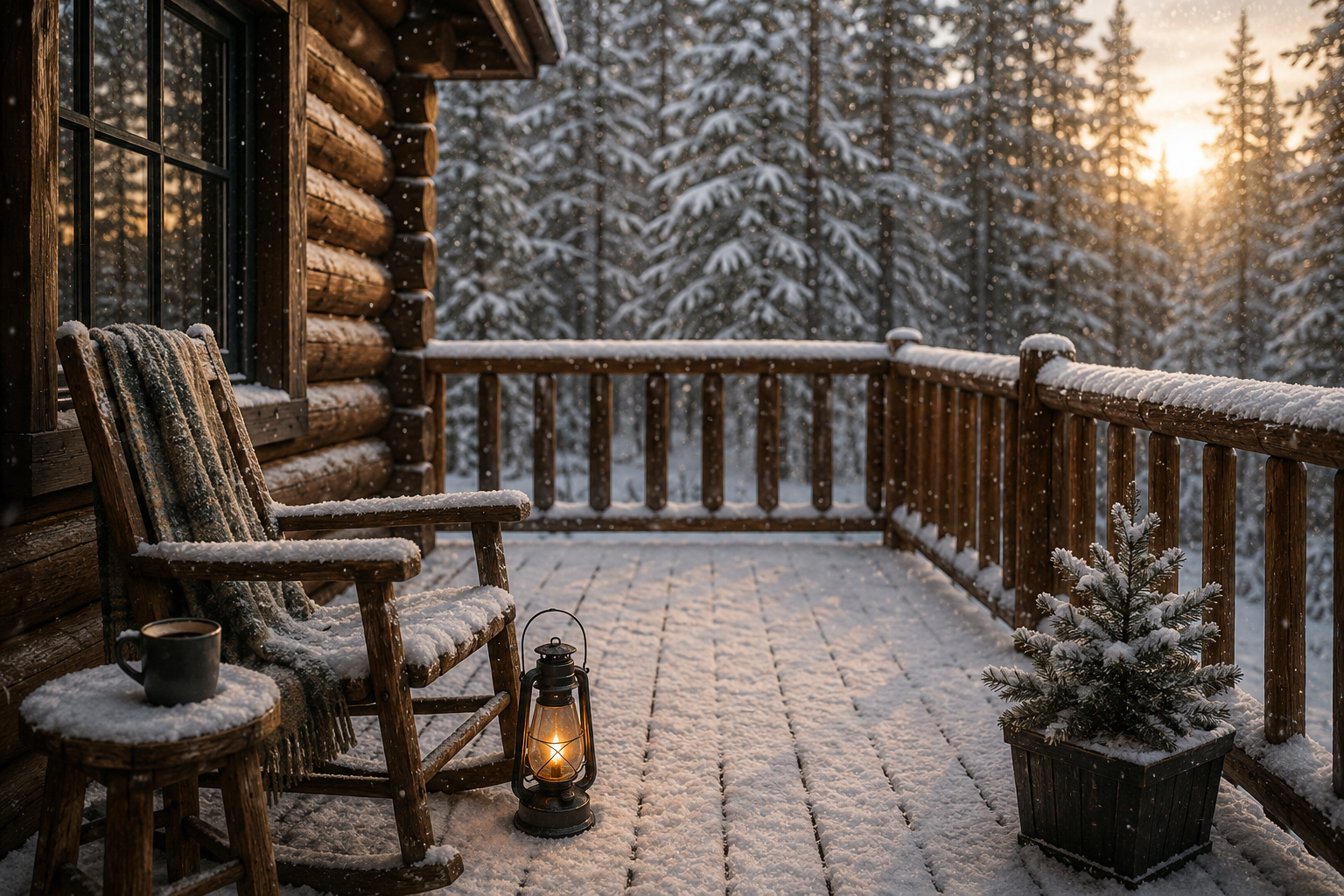
Duck Creek typically receives 200 or more inches of snow per season, with snowpack often building from November through April. It's one of the snowier mountain communities in southern Utah and is a premier destination for snowmobilers. Some roads are plowed; others are snowmobile-only — a critical distinction for cabin buyers.
Yes — Duck Creek Village is about 25 miles from Brian Head ski resort via Highways 148 and 143. Many buyers looking for ski proximity choose Duck Creek over Brian Head because cabin prices are generally lower and the snowmobile access is more developed. A local agent can compare both markets for you.
Many Duck Creek cabins sell quietly through local relationships before they ever hit the MLS or public listing sites. The most effective approach is a direct phone call to a local agent who knows the community — they'll often know about properties coming available that haven't been listed yet.
Generally yes — Duck Creek is a rural mountain community and pets are common. Some HOA-governed subdivisions may have specific rules about pets, particularly dogs, so it's worth confirming covenants for any specific subdivision if that matters to you. National forest areas adjacent to the village follow standard federal rules for pets on leash.
Well-priced, well-presented cabins in Duck Creek typically move within a normal market window. Pricing relative to comparable sales, quality photography, and seasonal timing all affect how quickly a cabin sells. A local agent gives you a realistic plan based on your specific cabin rather than a generic algorithm.
Local expertise makes a significant difference in a market like Duck Creek, where road access, subdivision covenants, water rights, and neighborhood character vary dramatically between properties that look similar on a listing site. A local agent will catch issues — and opportunities — that an out-of-area agent simply won't know to ask about.